Behavioural Intelligence
I design systems that help organisations understand different user mindsets, motivations, barriers, and readiness levels — then translate that understanding into tailored journeys, nudges, recommendations, and action plans.
I work at the intersection of behavioural intelligence, AI, sustainability, and adoption — helping organisations understand how people move from awareness to action.
Through ADOAPT and years of international work across Europe, Japan, Canada, Switzerland, and the MENA region, I design tools, journeys, and strategies that make change more human, measurable, and adoptable.
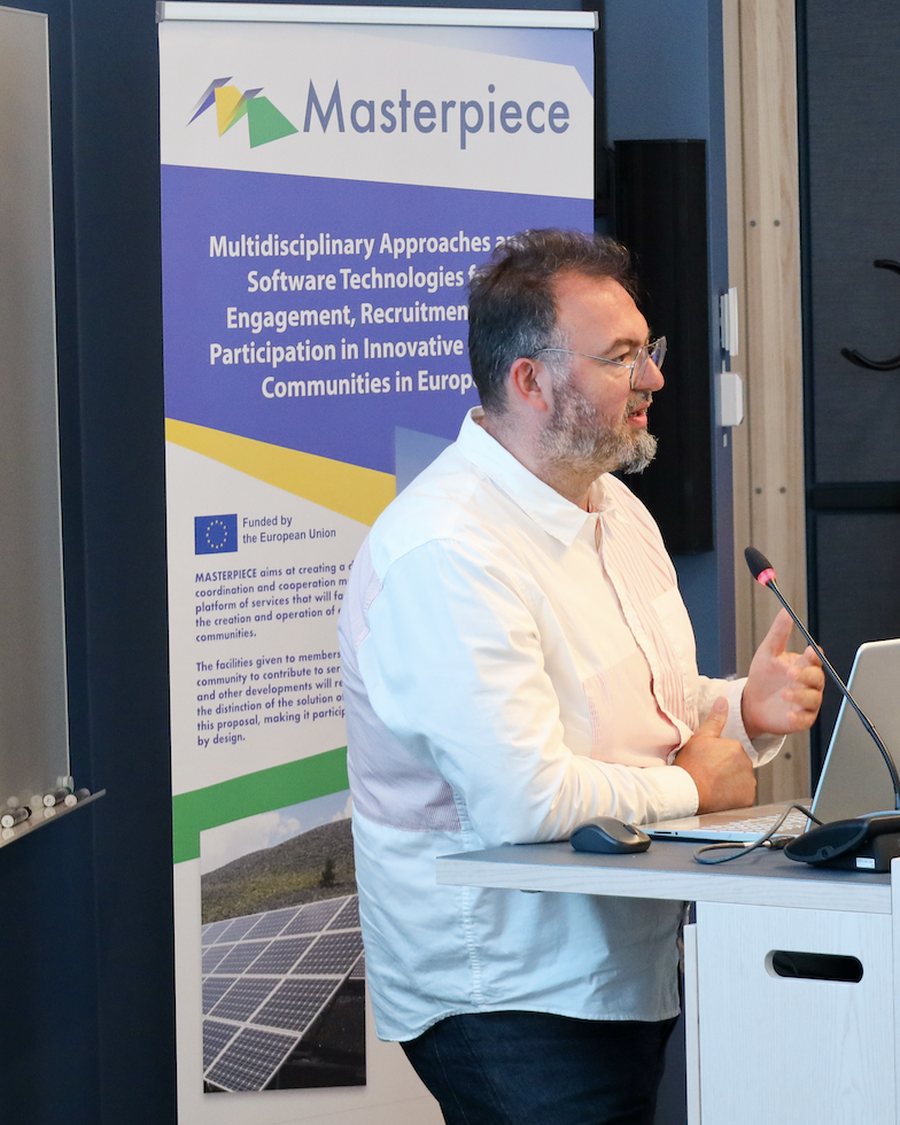
I am a behavioural innovation strategist, founder of ADOAPT, and designer of human-centred systems for adoption.
My work focuses on one central question: why do some people adopt change while others hesitate, ignore, or resist it?
Across EU innovation projects, sustainability programmes, energy communities, AI-enabled tools, service design, and public-sector transformation, I help translate complex systems into journeys people can understand, trust, and act on.
Read full bio →I design systems that help organisations understand different user mindsets, motivations, barriers, and readiness levels — then translate that understanding into tailored journeys, nudges, recommendations, and action plans.
I work on the human side of sustainability: how citizens, employees, residents, and communities engage with energy, climate, infrastructure, and environmental change.
I help organisations make AI and transformation programmes more adoptable by focusing on trust, relevance, behaviour, communication, and the different ways people respond to change.
My work spans EU innovation projects, renewable energy communities, public-sector transformation, AI-enabled tools, workplace change, and digital storytelling. Across these contexts, the focus remains the same: designing the human conditions for adoption.

Behavioural Intelligence · AI · Sustainability · CX · Transformation
ADOAPT is the company I founded to help organisations turn strategy into adoption. It brings together behavioural design, AI-enabled profiling, adaptive journeys, and personalised recommendations to help organisations understand how different people engage with change. Rather than treating audiences as one generic group, ADOAPT helps identify different mindsets, motivations, barriers, and readiness levels — then translates those insights into clear action plans, nudges, tools, and journeys.

Energy Communities · EU Horizon · Citizen Engagement
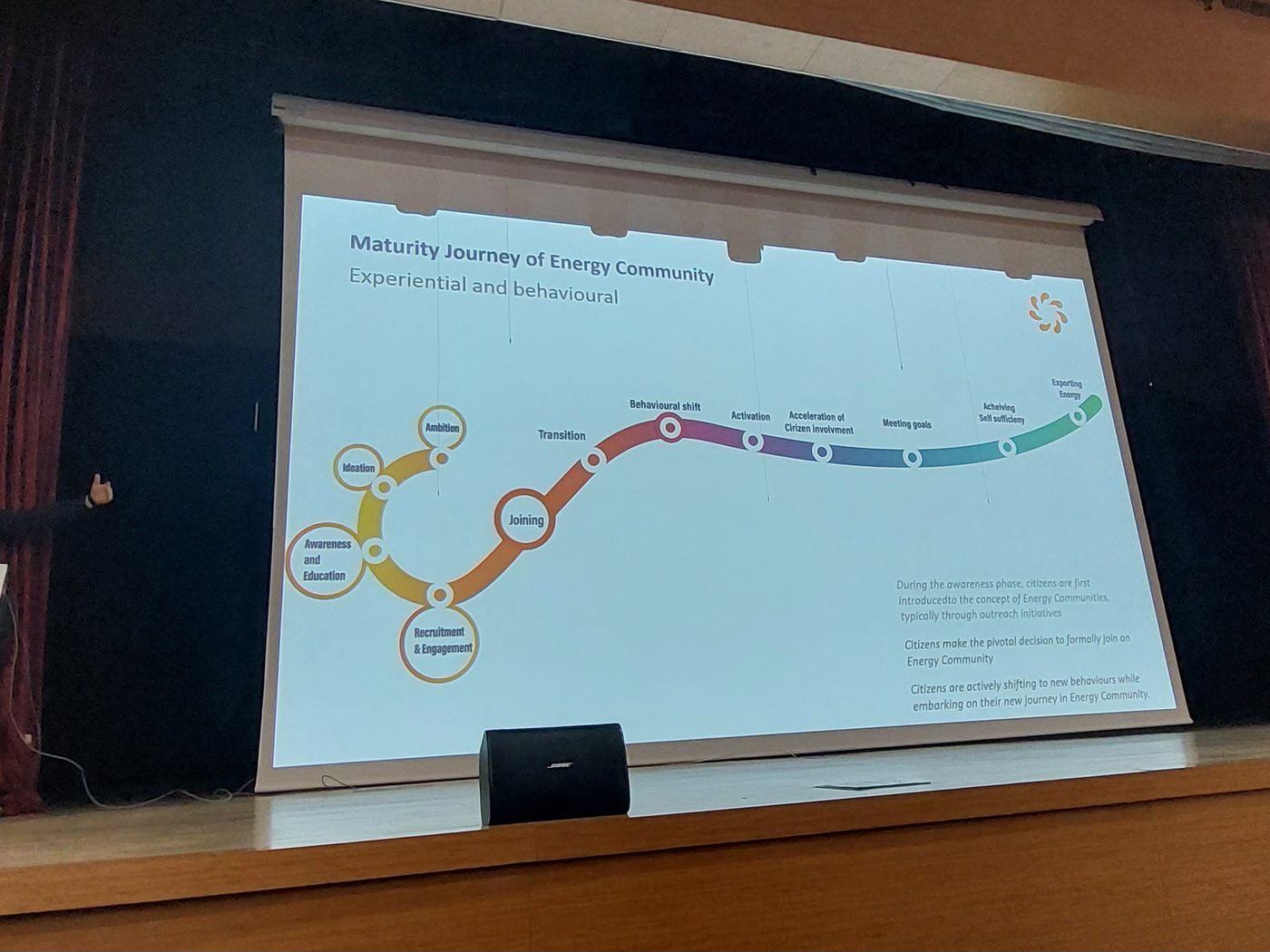
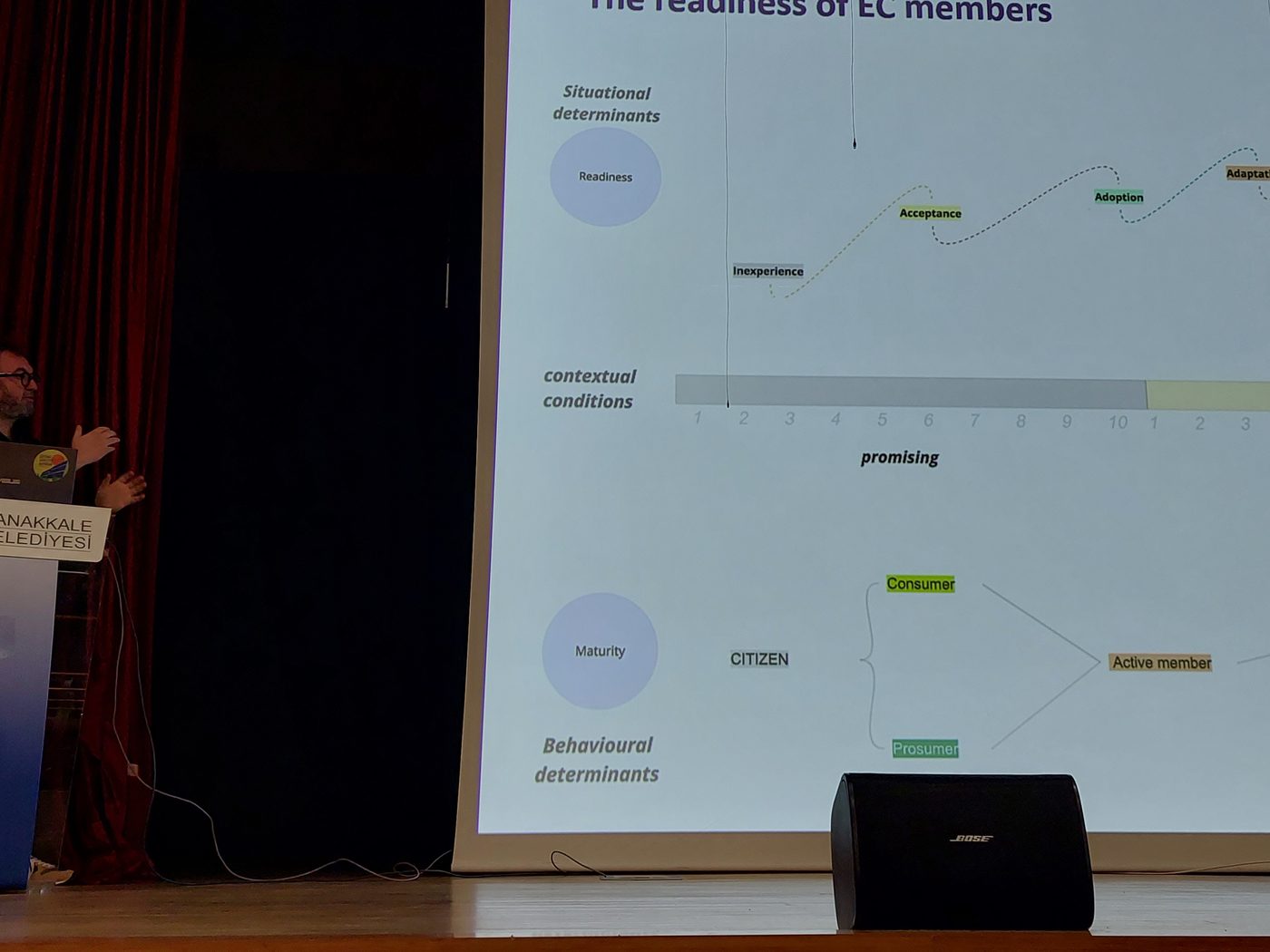
MASTERPIECE is an EU innovation project focused on supporting Renewable Energy Communities. My work contributed to the behavioural layer of the project: helping citizens, community members, and managers better understand and participate in energy communities. The work included behavioural profiling, readiness and willingness models, maturity journeys, adaptive questionnaires, nudges, and personalised recommendations. The goal was to make energy communities more understandable, relevant, and actionable for people at different stages of engagement.

Personalisation · Incentives · Adaptive Recommendations
RECOMME was developed as a personalised recommendation tool for Energy Communities. It connects behavioural profiles, motivations, barriers, incentives, and contextual information to generate more relevant recommendations for both community members and managers. For members, the tool creates a more personal entry point into participation. For managers, it provides a clearer view of community maturity, engagement needs, and recommended actions. A key idea behind the work was “incentives as content” — embedding incentives into the user journey as meaningful behavioural triggers, rather than presenting them as generic rewards.

Energy Dashboards · Usability · Public-Facing Interfaces
PARMENIDES explored how complex energy data can be translated into clearer, more usable interfaces for citizens, visitors, and local stakeholders. My work contributed to behavioural framing, UX evaluation, stakeholder engagement, and dashboard concepts. One stream focused on public-facing energy dashboards in Austria, helping communicate live community energy data in a simple and accessible way. Another stream focused on Swedish pilot screens related to thermal comfort, energy use, and interface acceptance.

Incentives · Barriers · Engagement Strategy
COMPASS was developed to help map the relationship between barriers, measures, and incentives in Energy Communities. The work challenged the idea that one incentive works for everyone. Some people respond to financial benefits. Others need trust, simplicity, social proof, autonomy, environmental meaning, or a clearer sense of personal relevance.

Public-Sector Transformation · Citizen Behaviour · Sustainable Cities
A growing part of my work focuses on the GCC, especially the UAE, where sustainability strategies are ambitious and adoption needs to happen at city, community, and organisational scale. This work includes concepts for sustainable neighbourhood engagement, utility customer behaviour, citizen-facing dashboards, internal profiling tools, and public-sector adoption journeys.

HR Transformation · AI Adoption · Behavioural Diagnostics
The AIMS concept applied behavioural intelligence to workplace transformation. It explored how organisations can better understand employee mindsets, readiness levels, and barriers when introducing new tools, policies, and AI-enabled systems. Instead of treating HR transformation as a communication campaign, the concept framed it as an adoption journey. Different employees need different entry points, forms of support, and reasons to engage.

EU Innovation · User Research · Citizen Engagement
Before founding ADOAPT, I worked across European innovation projects at Experientia, contributing to user research, service design, stakeholder engagement, behavioural modelling, dashboard evaluation, and participatory design. Much of this work focused on complex societal challenges: sustainability, energy transition, public engagement, technology adoption, and community participation.

Media Design · Digital Storytelling · Interaction Design
Riwaya was my Master's research project at Keio University in Tokyo. It explored new forms of digital storytelling and family memory through collage-based visual narratives. The project investigated how fragmented images, ambient displays, and interactive media could help family members express and share everyday stories in more poetic and meaningful ways. This early work shaped my long-term interest in the relationship between technology, emotion, behaviour, and human meaning.
Whether the context is a renewable energy community, an AI tool, a public dashboard, a workplace transformation programme, or a family storytelling interface, the challenge is rarely only technical.
People need to understand what is changing. They need to see why it matters. They need to trust the system. They need to find their own entry point.
My work is about designing those entry points.
Malek Anouti is a behavioural innovation strategist, founder of ADOAPT, and designer working at the intersection of AI, sustainability, human-centred design, and adoption.
His work focuses on helping organisations understand the human side of change — why people engage, hesitate, resist, trust, or act. Across EU innovation projects, energy communities, public-sector concepts, HR transformation, and AI-enabled tools, he develops behavioural systems that translate complexity into more relevant, adoptable journeys.
Malek holds a Master's degree in Media Design from Keio University in Tokyo and has worked across Switzerland, Japan, Canada, Cairo, Dubai, and European research ecosystems.
I speak, teach, and advise on the human side of innovation — from behavioural intelligence and AI adoption to sustainability engagement, service design, and public-sector transformation.
Available for: keynotes · workshops · university modules · advisory boards · research collaborations

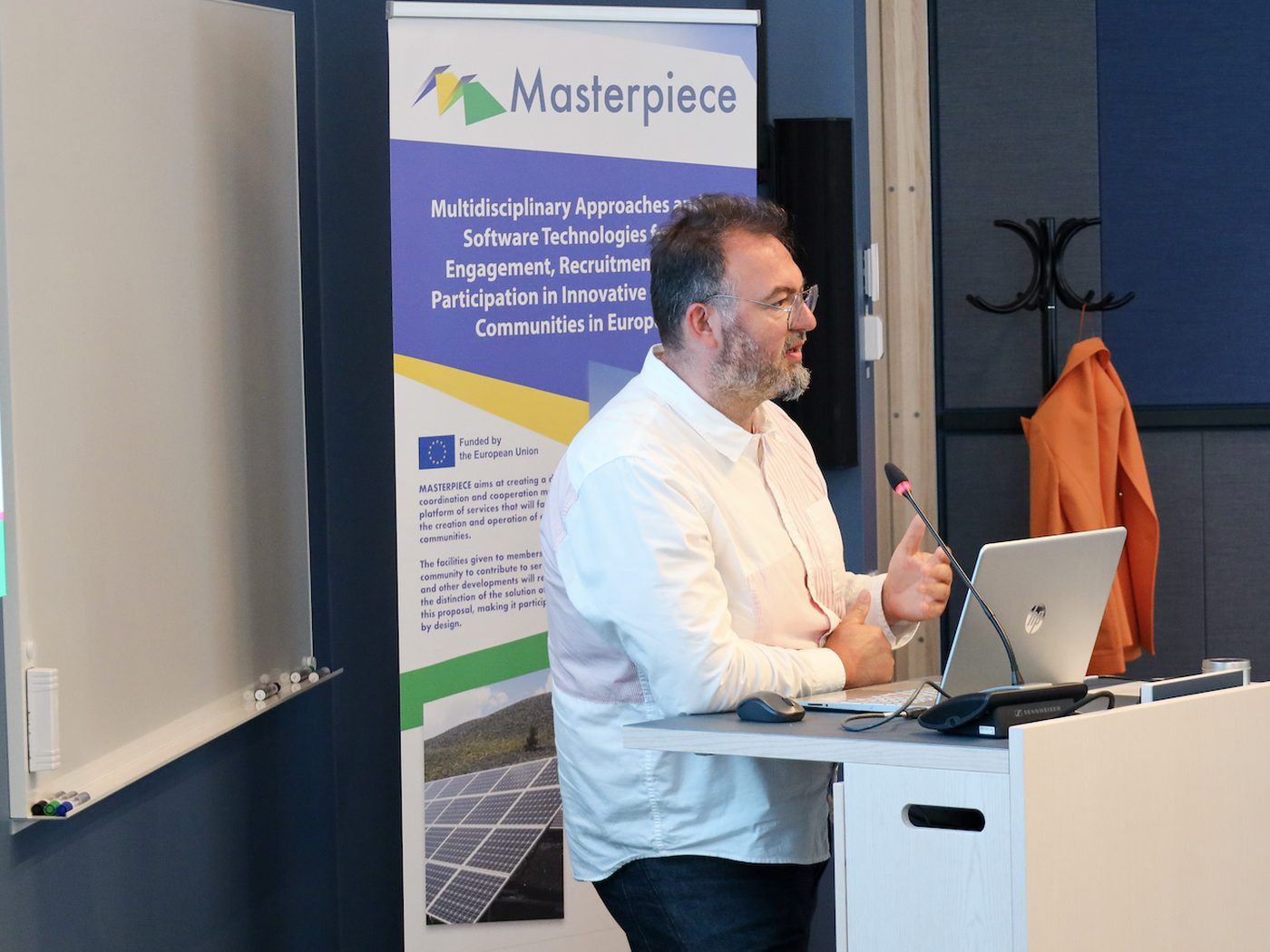
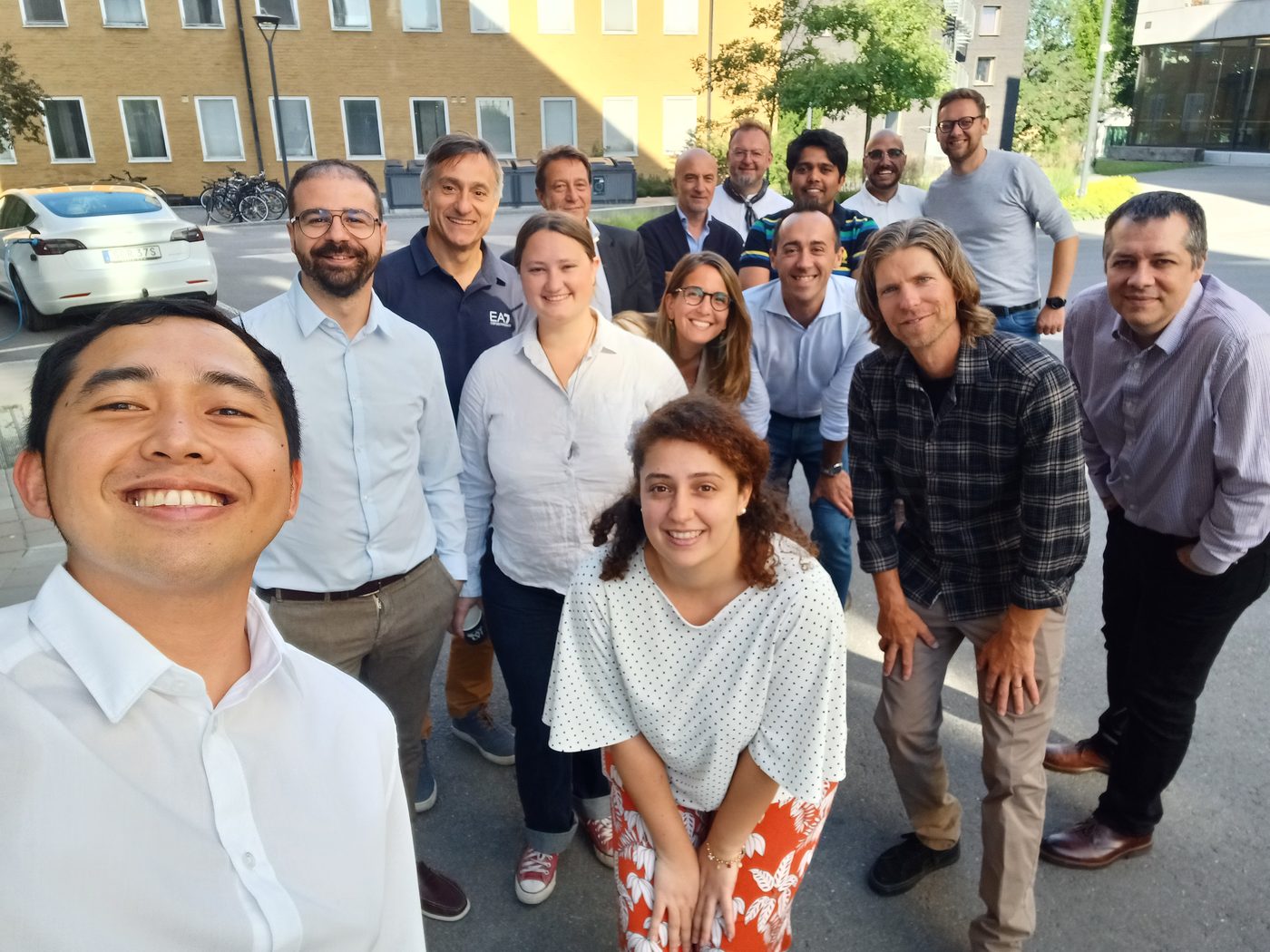
I collaborate with organisations, research consortia, public-sector teams, universities, and innovation leaders working on sustainability, AI, digital transformation, and human-centred change.
Start a conversation